Calming Winter Redness: A Gentle Routine for Reactive Skin

There is a particular kind of winter face that many South Africans will recognise: cheeks that flush the moment you step from a cold street into a heated room, skin that stings slightly after cleansing, patches of dryness that no amount of moisturiser seems to settle. If that sounds like you, your skin is not misbehaving — it is reacting to the season. Cold air, wind, hot showers and dry indoor heating all chip away at the skin barrier, and a stressed barrier is a reactive, red-prone one.
The good news is that calming winter redness is rarely about doing more. It is about doing the right, gentle things consistently. Here is how to soothe reactive skin through the colder months — and the products we trust in our clinic to help.
Why skin gets redder in winter
Your skin barrier is the outermost layer that holds moisture in and keeps irritants out. When it is intact, skin feels comfortable and looks even. When winter weather depletes it, water escapes more easily, nerve endings become more sensitive, and the blood vessels just beneath the surface flush more readily — all of which reads as redness, warmth and a tight, prickly feeling.
For anyone prone to rosacea or persistent facial redness, the cold is a classic trigger. The American Academy of Dermatology recommends protecting the face from cold wind, choosing fragrance-free products made for sensitive skin, and being gentle — no scrubbing or harsh washcloths. Their wider winter skin guidance echoes the same principle: restore the barrier, and the reactivity settles.
- The cause: A winter-weakened barrier makes skin flush and sting more easily.
- The fix: Gentle cleansing, soothing actives, and rich barrier repair — consistently.
- Avoid: Hot water, physical scrubs, fragrance, and over-exfoliating.
- Look for: Ceramides, panthenol, bisabolol, allantoin and Defensil-Plus.
- Don't skip: Daily SPF — UV worsens redness year-round.
A calm, four-step winter routine
1. Cleanse gently. Reactive skin reacts most at the basin. Swap any foaming, stripping wash for something soothing. DermaFix Calming MicroFoam Cleanser (R357) uses allantoin and aloe to clean without disrupting the barrier. If you prefer a softer, milkier ritual, the rose-infused Nuxe Very Rose Soothing Cleansing Gel (R445) is a gentle, comforting option. On a budget, the soap-free Lamelle Serra Cleansing Gel (R275) cleanses while protecting the barrier — one of our most popular cleansers for a reason. Always use lukewarm, never hot, water.
2. Soothe on contact. When skin is flaring, a calming treatment can bring quick relief. DermaFix HydraSooth SOS (R588) pairs bisabolol to settle inflammation with panthenol to comfort irritated, dehydrated skin — a genuine "SOS" for an angry-looking day.
3. Repair and protect the barrier. This is the heart of calming winter redness. Lamelle Serra Soothing Cream (R905) is built for reactive skin, combining skin-identical Ceramide-P with Defensil-Plus to calm irritation and rebuild the barrier. For drier, more compromised skin, Lamelle Serra Restore Cream (R665) — one of our best-selling moisturisers — delivers a rich blend of ceramides, fatty acids and the Serra Peptide Complex to restore comfort to sensitive, dry or compromised skin.
4. Shield every morning. UV makes redness worse, even in winter and even indoors near windows. A daily broad-spectrum SPF is the single most protective habit for reactive skin — explore options in our sunscreen collection.
When you want a professional reset
If your skin needs more than a home routine can offer, a professional calming treatment can make a noticeable difference. The iS Clinical Smooth & Soothe Clinical Facial (R3 650) is a clinic-grade treatment designed specifically to calm sensitivity and visible inflammation — a considered investment for skin that needs a deeper reset before the home routine takes over.
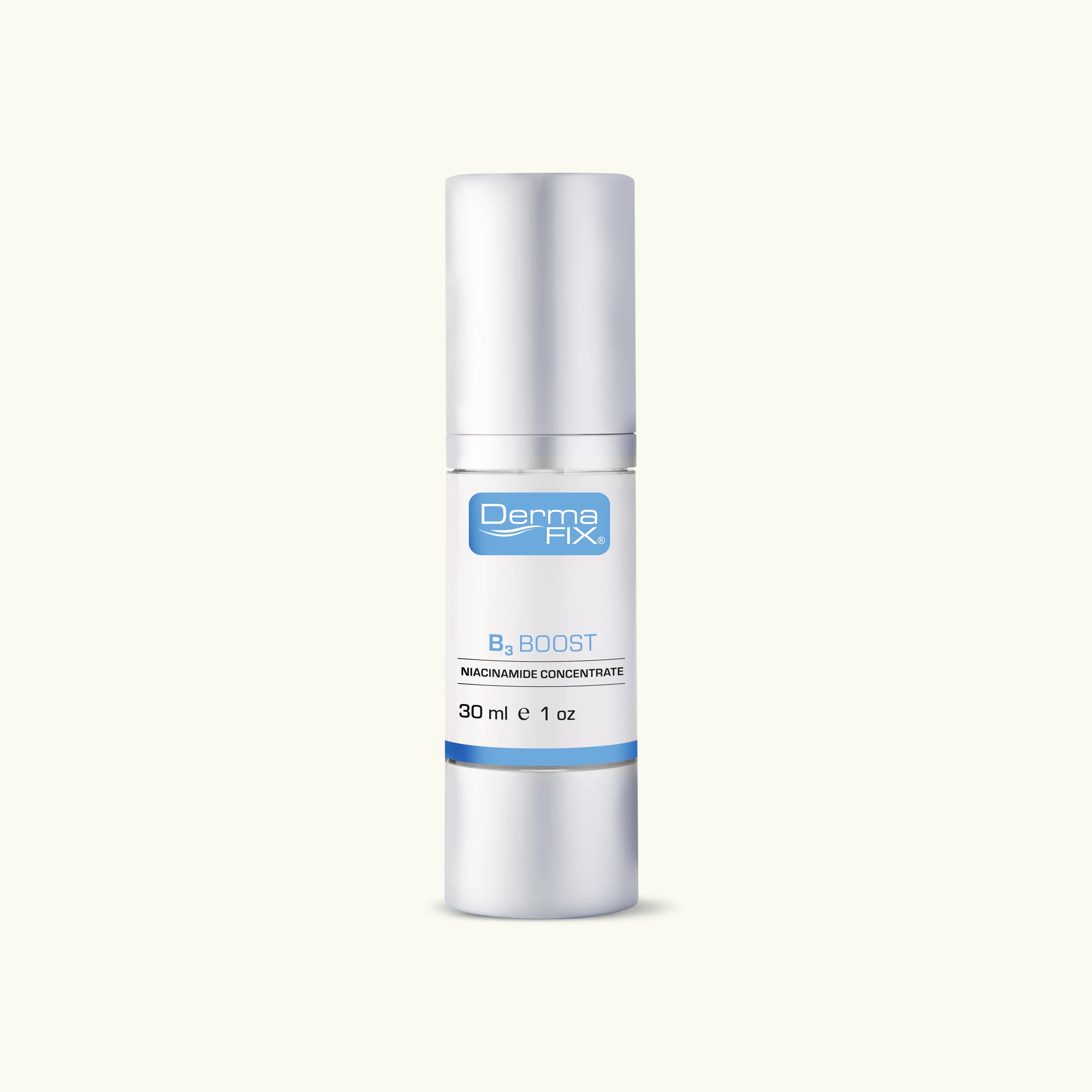
You can shop the full edit of calming products in our redness and sensitive skin collections, or read more about strengthening your barrier through the season in our winter barrier repair guide. A gentle, well-formulated niacinamide also belongs in many reactive-skin routines for its calming, barrier-supporting effect.
Habits that quietly help
- Keep showers short and warm rather than hot — heat triggers flushing.
- Protect your face from cold wind with a soft scarf (silk or smooth fabrics, not scratchy wool).
- Pare your routine back when skin is flaring; pause acids and retinoids until it settles.
- Choose fragrance-free formulas, and patch test anything new.
- Be patient and gentle — reactive skin calms with consistency, not intensity.
Frequently asked questions
Is my redness rosacea or just winter sensitivity? Occasional, weather-related flushing that settles is common and usually barrier-related. Persistent redness, visible vessels or recurring bumps may point to rosacea — worth discussing with a skin professional or doctor for a tailored plan.
Should I stop exfoliating in winter? Not entirely, but ease off. Over-exfoliating is one of the most common causes of a damaged barrier. While skin is reactive, pause scrubs and strong acids and focus on repair.
Can I still use active ingredients? Yes, but reintroduce them gently once your skin feels calm and comfortable. Soothing and barrier care come first; actives come back gradually.
Do I really need SPF in winter? Yes. UV exposure aggravates redness throughout the year, so daily protection remains essential.
Comfort, restored
Winter redness can feel stubborn, but it almost always responds to the same calm approach: cleanse gently, soothe, repair the barrier, and protect. Build that rhythm and reactive skin gradually becomes more comfortable and more even. Browse our redness and sensitive skin edits to begin, and reach out to our team if you would like help choosing. Your skin. Your ritual. Your daily.