Cosmeceutical or Cosmetic? What You're Really Paying For in Skincare
Walk down any skincare aisle and you will meet two very different promises. One product wants to make today feel lovely: a rosewater cleanser, a balm that smells like a garden, a cream that leaves skin soft for a few hours. The other makes a bolder claim: it says it will change how your skin behaves over weeks and months. Both have a place on a shelf, and both have a place in a routine. Knowing which is which is the difference between spending well and spending hopefully.
The words people reach for are "cosmetic" and "cosmeceutical". At DailySkin we stock a lot of the second kind, because our range comes from the brands used in the Somalogic clinic. But we would rather you understood the distinction than trusted the label, so here is the honest version.
What the words actually mean
A cosmetic, in the strict sense, is a product intended to cleanse, beautify or improve appearance. It works mainly at the surface and in the moment. A moisturiser that softens skin, a tinted cream that evens out tone, a cleanser that lifts the day off your face: these are cosmetics, and there is nothing lesser about them. Some of the most-loved products we sell are exactly this.
"Cosmeceutical" is a blended word, cosmetic plus pharmaceutical, coined by a dermatologist to describe products that sit between the two: cosmetics formulated with active ingredients meant to do more than sit on the skin. It is worth being clear-eyed here. The term has no formal legal status. The United States Food and Drug Administration, for instance, states plainly that "the term 'cosmeceutical' has no meaning under the law": a product is either a cosmetic or a regulated drug, and the in-between word is industry shorthand. So the label alone guarantees nothing. What matters is what is inside.
Where the real difference lives
When a product genuinely earns the clinical description, it usually does so on four counts. It contains active ingredients at meaningful concentrations, not a token drop for the label. It uses a delivery system that helps those actives reach the layers where they work, rather than evaporating off the top. It is formulated for stability, so a temperamental ingredient like vitamin C is still active when it reaches your skin. And it is backed by testing rather than by adjectives.
This is why a well-made clinical serum can cost several times more than a supermarket product that lists the same hero ingredient. You are paying less for the name than for the concentration, the formulation science and the evidence. A vitamin C at the right strength and pH, protected from oxidising and delivered where pigment-making cells live, is a genuinely different object from a "brightening" cream with a whisper of the same molecule near the bottom of the list.
The quick version
"Cosmeceutical" is an informal term for cosmetics built around active ingredients, and it carries no legal weight on its own. What actually separates clinical skincare from everyday skincare is the concentration of active, the delivery and stability of the formula, and whether the results are backed by testing. Cosmetics look after comfort and appearance today; clinical actives aim to change how skin behaves over time. A good routine usually holds a few of each.
What clinical actives look like on our shelves
A handful of ingredient families do most of the heavy lifting in active skincare, and it helps to recognise them.
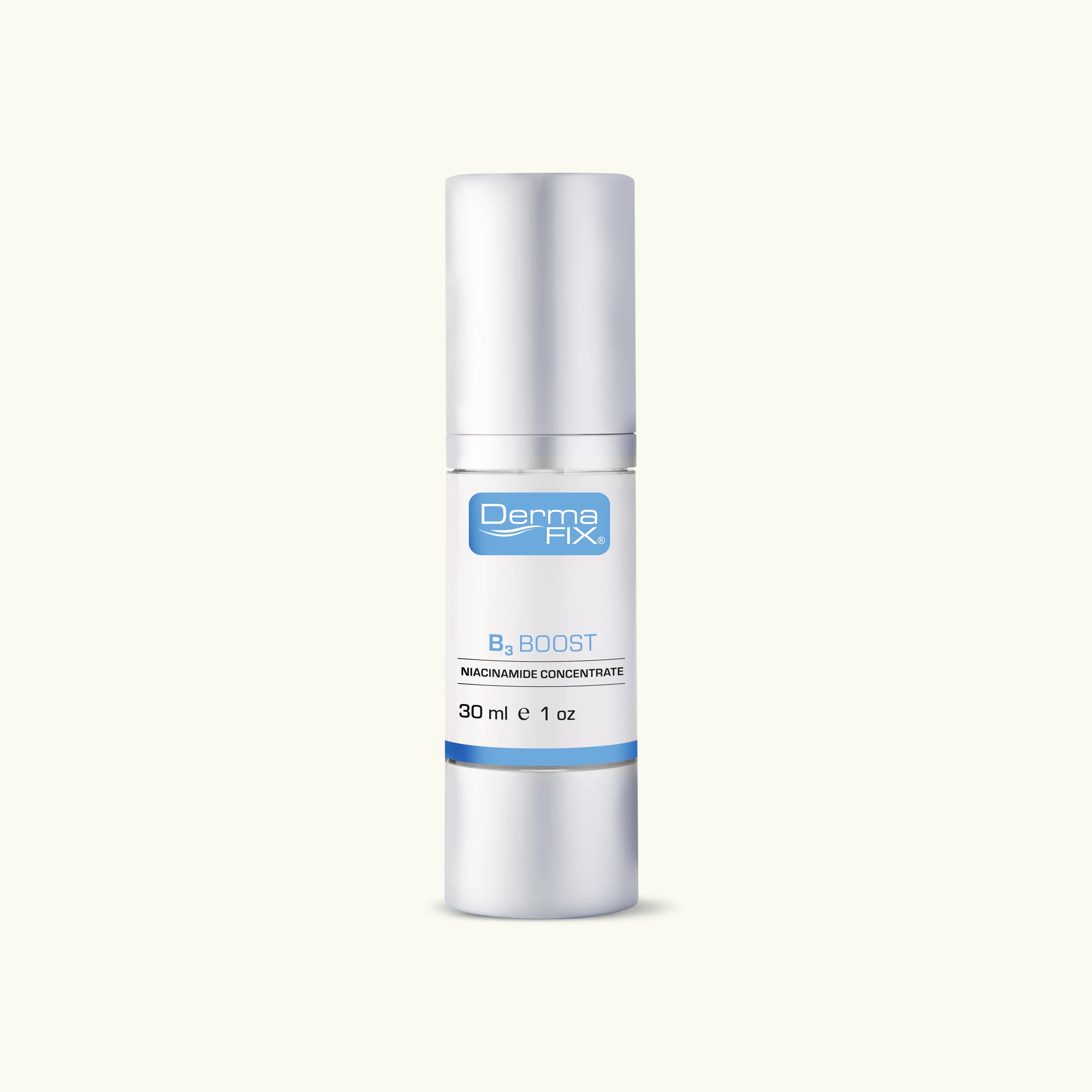
Vitamin C, an antioxidant that supports brightness and defends against daily environmental stress. You will find it at an accessible price in the DermaFix Vitamin C Serum (R614), or in a gentler oil-based form in the Lamelle Correctives Vita-C Lipid Serum (R1,105).
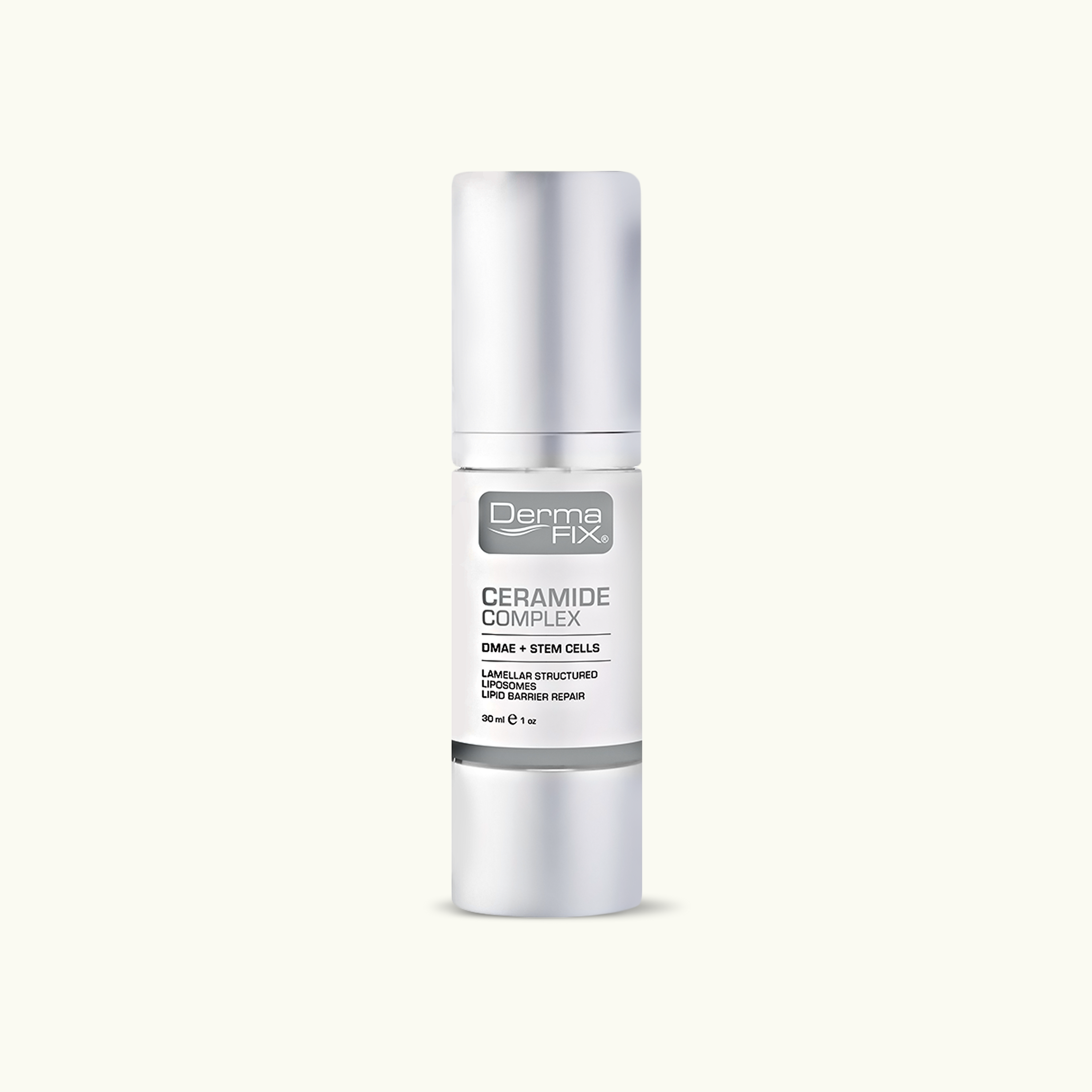
Peptides and growth factors, signalling ingredients that support firmness and repair. The DermaFix ACC Copper Peptide (R698) is an easy way in; the clinic favourite Lamelle Dermaheal Renewal Cream (R1,420) is a more advanced, growth-factor-rich option and one of our best-sellers.
Stabilised antioxidant blends, such as the vitamin C, E and ferulic combination in the DermaFix Ferulic + C + E (R898), where the whole is designed to be more effective and more stable than any single part.
Pigment correctors for uneven tone, from the approachable DermaFix Dermabright (R420) upward.
And for the times you want a single, well-evidenced workhorse, a serum like the iS Clinical Pro-Heal Serum Advance+ (R2,327) is a good illustration of what the extra investment buys: a stabilised, high-strength formula built to be used, and studied, seriously. You can browse the full serums collection, or explore a single house such as Lamelle, DermaFix or iS Clinical.
So when is a "cosmetic" the right choice?
Often. A beautiful cleanser you look forward to using is worth more to your skin than a clinical one you resent, because the routine you keep is the one that works. Something like the Nuxe Very Rose Cleansing Milk (R455) is unashamedly a pleasure product, and it cleanses gently and comfortably. The trick is simply not to expect it to do a clinical serum's work.
How to decide, in practice
- Match the spend to the job. Spend on the actives that change skin over time, the serum or treatment. Save on the steps that mostly cleanse or comfort.
- Read past the front of the bottle. A hero ingredient near the end of the list is present in name more than in effect.
- One active at a time. A single well-chosen treatment, used consistently, beats a shelf of half-used ones.
- Give it weeks, not days. Genuine actives work on skin's own renewal cycle. Judge them at six to twelve weeks.
- Ask if you are unsure. As a stockist tied to a working clinic, we would rather point you to the one right product than sell you five.
Frequently asked
Does a higher price always mean a better product? No. Price can reflect concentration, formulation and testing, or it can reflect packaging and marketing. The questions to ask are about the active and the evidence, not the number alone.
Is "clinical" skincare too strong for sensitive skin? Not necessarily. Strength is about how a product is formulated and introduced, not simply how "active" it is. Many clinical ranges are built specifically for reactive skin. Start low and slow, and patch test.
Can I mix cosmetic and clinical products? Yes, and most good routines do. A gentle cosmetic cleanser, a clinical treatment serum and a comforting moisturiser is a perfectly sensible combination.
How do I know which active my skin needs? Start from your main concern, tone, texture, firmness or breakouts, and choose one active suited to it. Our guide to vitamin C and our explainer on retinol versus retinaldehyde are good places to begin, and you can always ask us.
The DailySkin view
We are curators, not manufacturers, so we have no reason to talk up one word over another. What we care about is that the products you buy from us actually do what you hope. Cosmetics make skincare a pleasure. Clinical actives make it a plan. The best routines quietly hold both, and if you would like help telling one from the other, that is exactly the kind of question we like being asked. You can see the ranges the clinic trusts in our iS Clinical and Lamelle collections, or read why skincare clinics trust iS Clinical.