
Skin Flooding, Explained: The Hydration Trend Worth Keeping This Spring
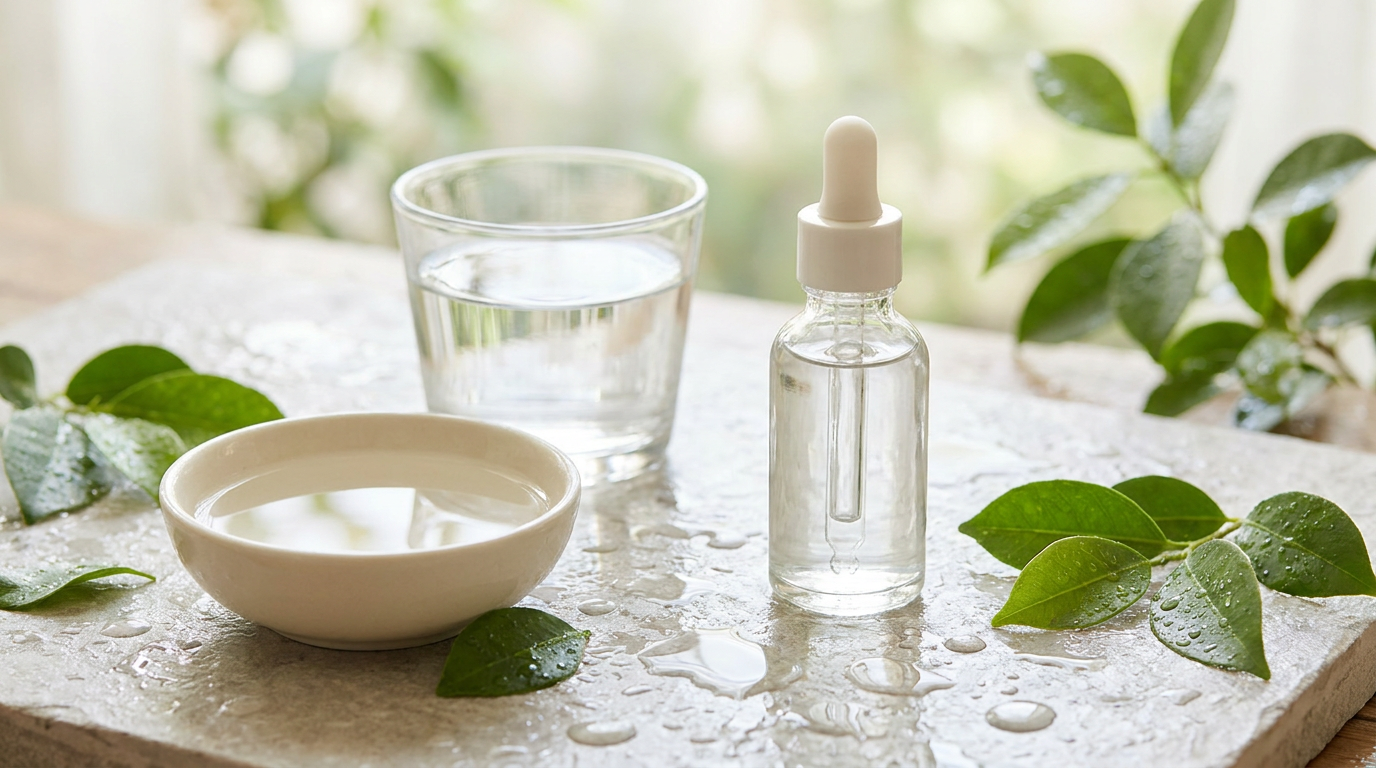
If you have spent any time on skincare videos lately, you will have met "skin flooding". The name sounds dramatic, but the idea is gentle: layer several lightweight hydrating products onto slightly damp skin, from the thinnest formula to the richest, then seal everything in. Done well, skin looks plumper and feels more comfortable almost immediately. Done thoughtlessly, it is an expensive way to make your face damp. Here is how to tell the two apart.
The timing is good, too. As South Africa moves out of a long, dry winter and into spring, a lot of skin is quietly dehydrated: tight after cleansing, a little dull, quick to show fine lines that plump right back out once water returns. Skin flooding is a sensible, temporary answer to exactly that state, which is why it has stayed useful long after the trend peaked.
What skin flooding actually is
As one dermatology practice puts it, skin flooding means "layering multiple hydrating products in a specific order to maximise moisture retention". You start on skin that is still slightly wet, apply the lightest water-based hydrators first, then work up to heavier creams that lock the water in.
The logic rests on two kinds of ingredient. Humectants, such as hyaluronic acid and glycerin, are water magnets: they draw moisture into the upper layers of the skin. But humectants alone can lose that water back to the air, so you follow them with an emollient or occlusive layer, a moisturiser rich in lipids or ceramides, that acts as a lid. Damp skin first, humectant next, seal last. That is the whole technique.
The quick version
Skin flooding is hydration layering. Cleanse, leave skin slightly damp, then apply your lightest hydrating products first, humectants like hyaluronic acid and glycerin, and finish with a richer moisturiser to seal the water in. It suits dehydrated, tight or barrier-stressed skin, and skin adjusting to retinoids. It is not a licence to pile on ten products: once skin is hydrated, extra layers give diminishing returns, and heavy layering can congest oily skin.
How to do it, step by step
1. Cleanse gently, and do not fully dry off. A mild, non-stripping cleanser such as the DermaFix Hydra Silk Cleanser (R380) leaves skin comfortable rather than squeaky. Pat until just damp.
2. Add water back. A hydrating mist or toning lotion on damp skin sets the stage. The mesoestetic hydratonic mist (R1,579) pairs hyaluronic acid with panthenol and skin's own moisturising factors; if you would rather start smaller, the Nuxe Very Rose Toning Lotion (R445) is a lovely, affordable option.
3. Layer your humectant hero. This is the heart of skin flooding: a hyaluronic-based serum pressed into still-damp skin. Choose your tier. The ISDIN Hyaluronic Concentrate (R789) uses several weights of hyaluronic acid; the DermaFix ACC Hyaluronic Gel (R698) is a straightforward mid-range choice; and the clinic-loved iS Clinical Hydra-Cool Serum (R1,568), one of our best-sellers, adds a soothing, calming feel that reactive skin appreciates.
4. Seal it in. Finish with a moisturiser rich enough to hold the water there. The DermaFix Bio-Hydrating Cream (R641) is a reliable, well-priced seal. If your barrier is stressed, flaky or reactive after winter, reach instead for the ceramide-rich Lamelle Serra Restore Cream (R665), which helps rebuild the barrier while it seals.
5. In the morning, protect. Hydration and daylight belong together: finish a morning flood with sunscreen, such as the light Heliocare Ultra 90 Gel SPF 50+ (R492). Spring sun in South Africa is stronger than it feels.
Who it helps most
Skin flooding shines for a few specific situations: skin that is genuinely dehydrated, tight and dull rather than oily; skin whose barrier is compromised or recovering; and skin adjusting to actives like retinoids or exfoliating acids, where a little extra hydration softens the transition. If any of that sounds like your face right now, this is a technique worth borrowing. Browse our dry skin edit or the moisturisers and serums collections to build your layers.
Where people get it wrong
The honest caveat, and dermatologists are firm on this, is that more is not endlessly better. Skin can only hold so much water, so once it is hydrated, extra layers give diminishing returns and simply cost money. Stacking several products with near-identical ingredients adds little. And on oily or breakout-prone skin, heavy occlusive layering can trap oil and congest pores, so keep your seal lighter. Skin flooding is a tool for dehydration, not a daily maximalist ritual for every skin type.
A useful distinction: dehydration is a lack of water and can affect any skin, even oily skin, while dryness is a lack of oil. Skin flooding is aimed squarely at the first. If your skin is oil-dry and flaky, a barrier-repair approach matters more than sheer layering.
Frequently asked
How many layers is right? Usually three or four: a damp base, one or two humectant layers, and a seal. If you are past four and still adding, you have most likely hit the point of diminishing returns.
Can oily skin try skin flooding? Yes, with a lighter touch. Oily skin is often dehydrated too. Keep the humectant, but choose a gel or lightweight lotion to seal rather than a heavy cream.
Do I need to do this morning and night? No. Many people flood at night and keep mornings simpler, ending in sunscreen. Let your skin tell you.
Is this just moisturising with extra steps? A little, and that is the point. Skin flooding is really good hydration technique given a memorable name: damp skin, humectants, then seal. The order and the timing are what make it work.
The DailySkin view
We like skin flooding because it is one of the rare trends that is mostly sound advice. It rewards restraint rather than excess, and it maps neatly onto what dry, post-winter skin genuinely needs as spring arrives. Keep it simple, seal properly, and do not let a good technique turn into an eight-step habit. If you want the fundamentals first, our guide to hyaluronic acid explains the star humectant, and our piece on layering order shows how these steps fit into a full routine. As always, if you are not sure which layers suit your skin, ask us: we would rather help you flood well than sell you the whole shelf.


