

AHAs, BHAs and PHAs: How to Choose the Right Exfoliating Acid
Few skincare aisles cause as much quiet confusion as the exfoliation shelf. AHA, BHA, PHA, glycolic, lactic, salicylic — a wall of acronyms that all promise smoother, brighter skin, with very little to tell you which one is right for your face. Choose well and you get glow, softer texture and clearer pores. Choose badly and you get redness, tightness and a stinging barrier.
The good news is that the logic is genuinely simple once you know what each acid does. Here is how the main families differ, and how we help clients at Daily Skin match the acid to the skin.
What exfoliating acids actually do
Your skin sheds dead cells naturally, but that process slows with age, sun exposure and dehydration, leaving a dull, rough or congested surface. Chemical exfoliants speed things along by loosening the “glue” between dead cells so they release cleanly — no scrubbing required. The result is smoother texture, a brighter finish and better absorption of everything you apply afterwards.
The families differ mainly in molecule size and whether they are water- or oil-loving, which decides how deep they work and how gentle they are. A helpful dermatology-reviewed overview lays out the same distinctions we use below.
The quick version
- AHAs (glycolic, lactic) are water-loving and work on the surface — best for dryness, dullness and uneven tone.
- BHA (salicylic) is oil-loving and gets inside pores — best for oiliness, congestion and blemish-prone skin.
- PHAs are larger, gentler cousins of AHAs — best for sensitive skin, with added hydration.
- Start once or twice a week, never mix acids blindly, and always wear SPF the next day.
AHAs: for dryness, dullness and tone
Alpha-hydroxy acids — glycolic and lactic being the best known — are water-soluble and act on the very top layers of skin, dissolving the bonds between dead cells. They are the go-to for anyone whose main complaints are rough texture, a lack of glow, or uneven tone.
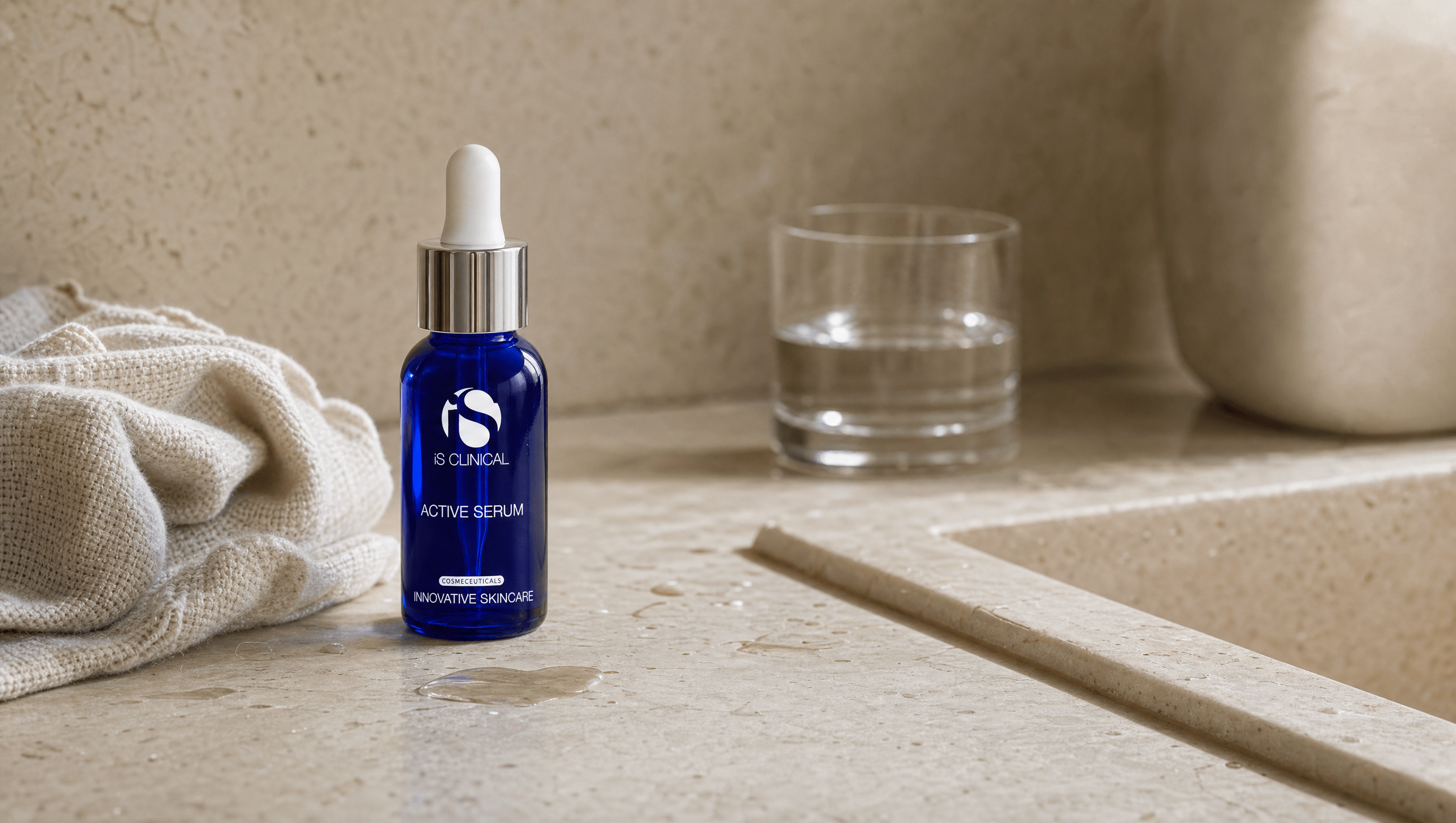
A classic multi-acid option is the iS Clinical Active Serum (R2,156), which pairs glycolic and lactic acids for resurfacing and brightening. If pigmentation and dullness are your focus, the Lamelle Luminesce Evening Glow (R1,300) uses lactic acid alongside brightening actives in an evening treatment. Lactic acid is a gentle entry point because it also has mild hydrating properties.
BHA: for oil, congestion and breakouts
Salicylic acid is the main beta-hydroxy acid. Because it is oil-soluble, it can travel into the pore lining to dissolve the mix of sebum and dead cells that causes blackheads and breakouts. That makes it the natural choice for oily, combination and congestion-prone skin.
A very accessible starting point is the Lamelle Clarity Active Control (R165), a targeted salicylic treatment. To work exfoliation into your cleanse, the DermaFix Active Cleansing Gel (R425) contains salicylic acid and tea tree. And for skin dealing with both breakouts and pigmentation, the Lamelle Clarity Corrective AM (R755) combines salicylic and azelaic acids in a daytime cream.
PHAs and the gentle route: for sensitive skin
Poly-hydroxy acids (like gluconolactone and lactobionic acid) work much like AHAs but have a larger molecular size, so they penetrate more slowly and cause far less irritation — while also drawing in moisture. They are the textbook answer for sensitive or reactive skin that still wants the benefits of exfoliation.
Dedicated PHA formulas are relatively niche, so for gentle exfoliation we often point sensitive clients towards low-strength lactic acid (as above) or enzyme exfoliants, which digest dead cells without acids at all. The Lamelle Cathepzyme 2 (R750) is an enzyme-based treatment, and the iS Clinical Tri-Active Exfoliating Masque (R2,327) uses papaya enzymes for a soft, controllable polish. Browse the full exfoliators collection to compare.
How to use acids without upsetting your skin
- Start slowly. Once or twice a week is plenty at first; build up only if skin stays comfortable. PHAs and enzymes can be used more often.
- Pick one lane. Match the acid to your main concern rather than layering several at once.
- Respect the barrier. Follow exfoliation with something replenishing, such as the Lamelle Serra Restore Cream (R665).
- Never skip SPF. Freshly exfoliated skin is more sun-sensitive, so daily sunscreen is essential.
Acids also slot neatly into a structured routine. If you like a bit of method, our guide to skin cycling shows how to alternate exfoliation and recovery nights, and our cleanser guide helps you get the first step right.
Frequently asked questions
Can I use an AHA and a BHA together? You can, but not usually on the same night when starting out. Many people alternate — a BHA for congestion, an AHA for glow — or choose a formula that thoughtfully blends both. Introduce them separately so you know how your skin responds.
How is chemical exfoliation different from a scrub? Scrubs physically buff the surface and can over-do it on sensitive skin. Acids work more evenly and are generally kinder when used correctly, though a gentle enzyme polish is a lovely middle ground.
My skin stings when I apply an acid — is that bad? A brief mild tingle can be normal, but genuine stinging, burning or lasting redness means the product is too strong or too frequent for you right now. Scale back, pair with a niacinamide or barrier product, and build up more slowly.
Do I still need to exfoliate if I use retinol? Often less than you think — retinoids already boost cell turnover. If you use both, keep them on separate nights to avoid irritation.
Not sure which acid is yours?
If you are still unsure, that is exactly the kind of thing we love helping with. Tell us your skin type and main concern and we will point you to the gentlest effective option — simply get in touch. Or explore the uneven texture and dullness collections to see what we stock across every budget.


