
Chemical vs Physical Sunscreen: Which Is Right for Your Skin?
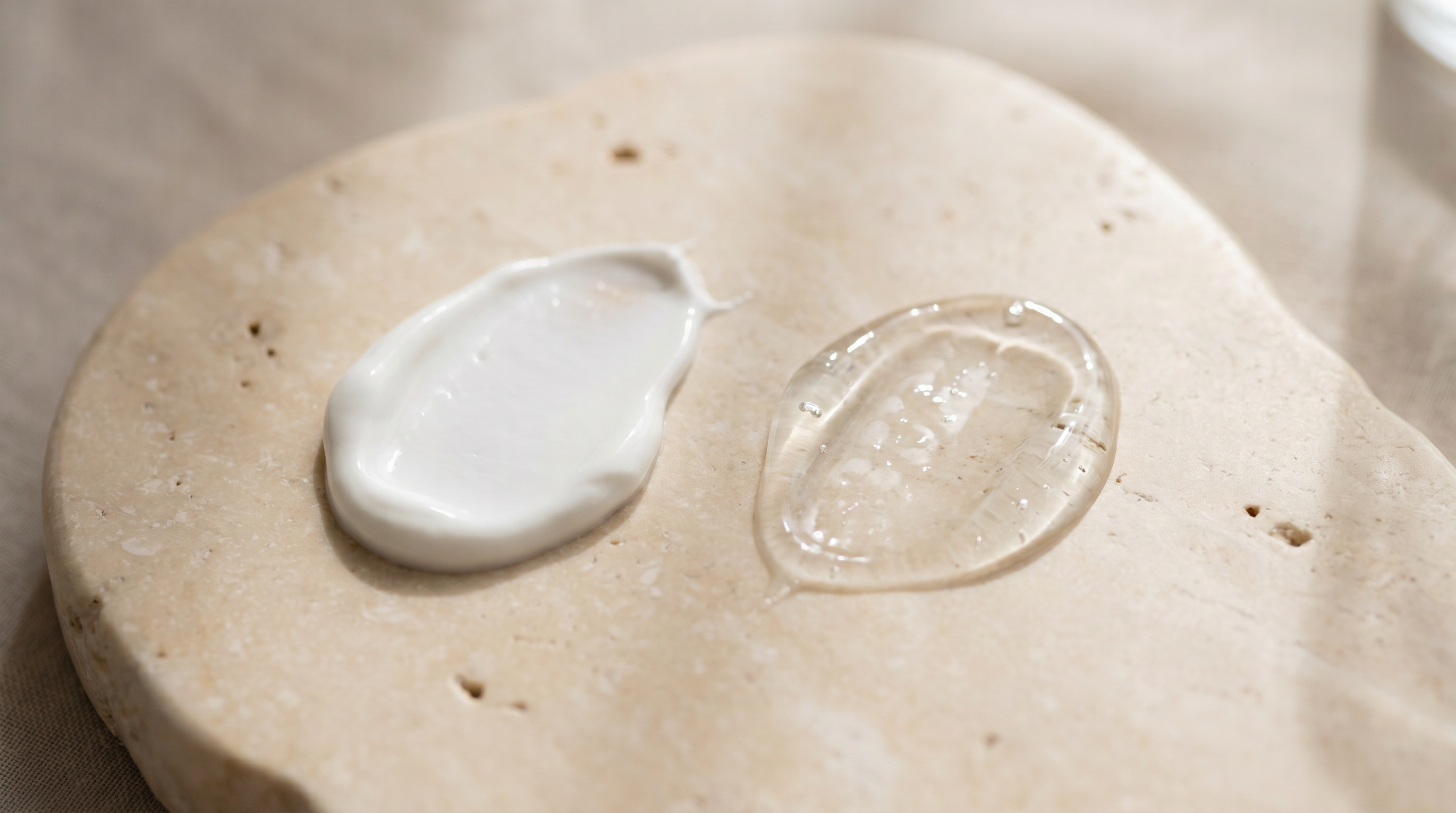
Stand in front of any sunscreen shelf and you'll meet two camps: chemical and physical (also called mineral). Both are excellent at protecting your skin, but they work in different ways and feel different on the skin, which is why the "best" one really depends on you. Here's a clear, no-jargon guide.
How they actually differ
Physical (mineral) sunscreens use zinc oxide and titanium dioxide, which sit on the skin and largely reflect and scatter UV. They tend to be gentle, making them a favourite for sensitive and reactive skin, and they start working as soon as they're applied. Modern formulas have come a long way from the thick white pastes of old.
Chemical sunscreens use filters that absorb UV and convert it to heat. They're typically lighter, more cosmetically elegant, and easier to wear invisibly under makeup, which is why so many people find them easier to apply generously and often, the real key to protection.
The quick version
- Mineral: gentle, great for sensitive or reactive skin, works immediately, may leave a slight cast on deeper skin tones.
- Chemical: lighter textures, sits beautifully under makeup, ideal if you want an invisible finish.
- What matters most: broad-spectrum cover, SPF 30 to 50+, and a texture you'll happily reapply.
- The truth: the best sunscreen is the one you'll actually wear every day.
If you prefer mineral
For an elegant, weightless all-physical option, iS Clinical Eclipse SPF 50+ PerfecTint is a clinic favourite, using zinc oxide with a semi-matte tinted finish. For a more accessible everyday mineral choice, DermaFix DermaShield SPF 50 is a reliable local pick, and the mesoestetic mesoprotech mineral fluid suits sensitive, ageing skin.
If you prefer chemical or hybrid
Many modern sunscreens blend filters for the lightest possible feel. Heliocare 360 Color Gel Oil-Free SPF 50+ is superb for oily and combination skin, while ISDIN FP Fusion Water Color offers a water-light, tinted finish that disappears into the skin. Explore the full range in our Sunscreen collection.
How to choose
- Sensitive or reactive skin: lean mineral.
- Oily or combination skin: a light chemical or hybrid gel.
- Wear makeup daily: a fluid or tinted chemical formula layers best.
- Deeper skin tones: a tinted formula (mineral or chemical) avoids any white cast.
Frequently asked questions
Is one safer or more effective than the other?
Both are effective and well-studied. What matters far more is applying enough, and reapplying when you're outdoors for long stretches.
Can I layer mineral over chemical?
You don't need to. Choose one broad-spectrum sunscreen and apply it generously as your final morning step.
Does mineral leave a white cast?
Older formulas could. Today's tinted mineral options are designed to suit a wide range of skin tones.
The bottom line
There's no universally "better" sunscreen, only the one that fits your skin and routine. If you'd like a refresher on why daily SPF matters even in cooler months, read our guide on winter SPF in South Africa, or let our team help you find your perfect match.


